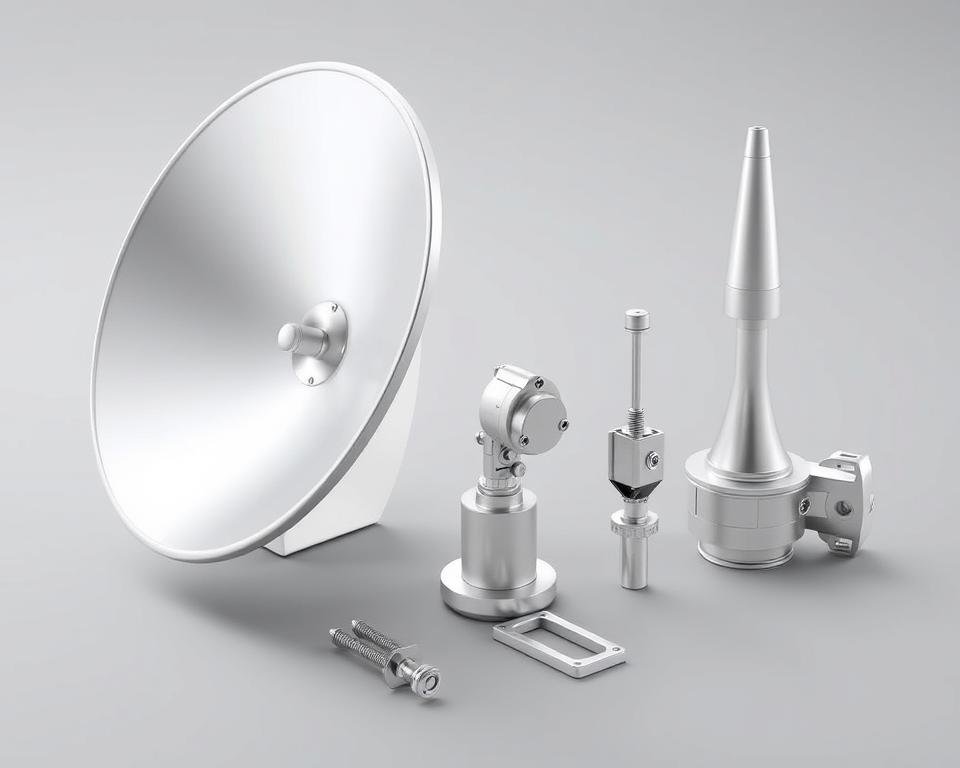
3D Printed Avanti Sigma 4 Antenna Parts
Are custom parts something that might interest you for your Avanti Sigma 4 antenna system?
The system’s performance can be improved with custom designed Avanti Sigma 4 Antenna Parts from 3D printing technology.
Due to the innovative nature of 3D printing, antennas can be designed and engineered for detailed and complex structures that the older more traditional practices simply cannot provide.
3D Printed Avanti Sigma 4 Antenna Parts can provide you with a greater range of value, personalization, and functional improvement to your antenna system.
Key Takeaways
- The contribution of 3D printing technology to custom antenna parts.
- The value of 3D printed parts for the Avanti Sigma 4 antenna system.
- Use of parts 3D printed parts and possible enhancement of value and effectiveness.
- The design and 3D printing of antenna parts.
- The expected enhancement of 3D printing technology for antenna systems.
The 3d Printed Avanti Sigma 4 Antenna Parts System
For the most effective communication systems, the Avanti Sigma 4 antenna system has to be fully understood and integrated into the communication system being designed. This system has well established and advanced technology and offers excellent performance in a range of applications.
The Antenna System: History and Specs
3d printed avanti sigma 4 antenna parts has evolved, with an increasing focus on its history, improving its technical specifications to appreciate modern communication needs. With high gain, extra durability, and system compatibility, it is favored by many users.
Common Issues and Need for Replacement
As robust as the design is, every system, including the 3d printed avanti sigma 4 antenna parts, is likely to develop aging and wear issues, particularly in its antenna segments. With the prevalence of such issues, the need for 3D printing as a rapid and precise means of sourcing extending Avanti Sigma 4 system components becomes very important.
3D Printing Extending Avanti Sigma 4 Antenna Components
The Avanti Sigma experience changed for the better with the 3D printing of components technology. The parts not only become more accessible, but they become more durable and customizable. This offers a significant number of benefits.
Cost of 3D vs the Original Components
For many, the primary benefit of 3D components is cost. Original components are more expensive to produce, making 3D printing a more affordable option. This is great for antenna system enthusiasts as it reduces the expense of system repairs for those offering it.
Possibilities for Customization
One of the important advancements 3D printing technology brings to the antenna sector is the ability to customize individual components to address specific end-user specifications. Extensions or modifications to certain components can easily be designed and manufactured to address the specific needs of individual users — a type of personalization 3D printing technology is able to achieve, but traditional manufacturing technology is not.
Read More : – 24seven trucks-trailers parts
Enhancements to Durability and Weather Resistance
To add to the previous benefits, materials available for 3D printing can provide added durability and enhanced weather resistance to 3D printed portions of any antenna. The added benefits of 3D printed antenna components include:
- Remains functional under extreme weather ranges
- Corrosion resistant
- Withstands damaging weather elements
3D Printed Essential Components for your Antenna
Additional 3D printed components designed specific to the needs of an individual user can greatly improve the performance of Avanti Sigma 4 antenna. Antenna durability and functionality can be increased utilizing specific 3D components designed and printed for the user.
Mounting Brackets and Hardware
Mounting brackets keep the antenna in place, so they are essential components for any antenna system. With 3D printing technology, customizing the brackets to fit the user’s specific setup improves overall fit and predictability of the assembly. An increase in stability of the system and reduction of wear in the antenna can be achieved as a result of this type of customization.
Element Holders and Insulators
Element holders and insulators are critical to preserving the antenna’s structural integrity. 3D printed holders and insulators can be modified to help enhance the antenna’s performance even further.
Boom-to-Mast Plates and Connectors
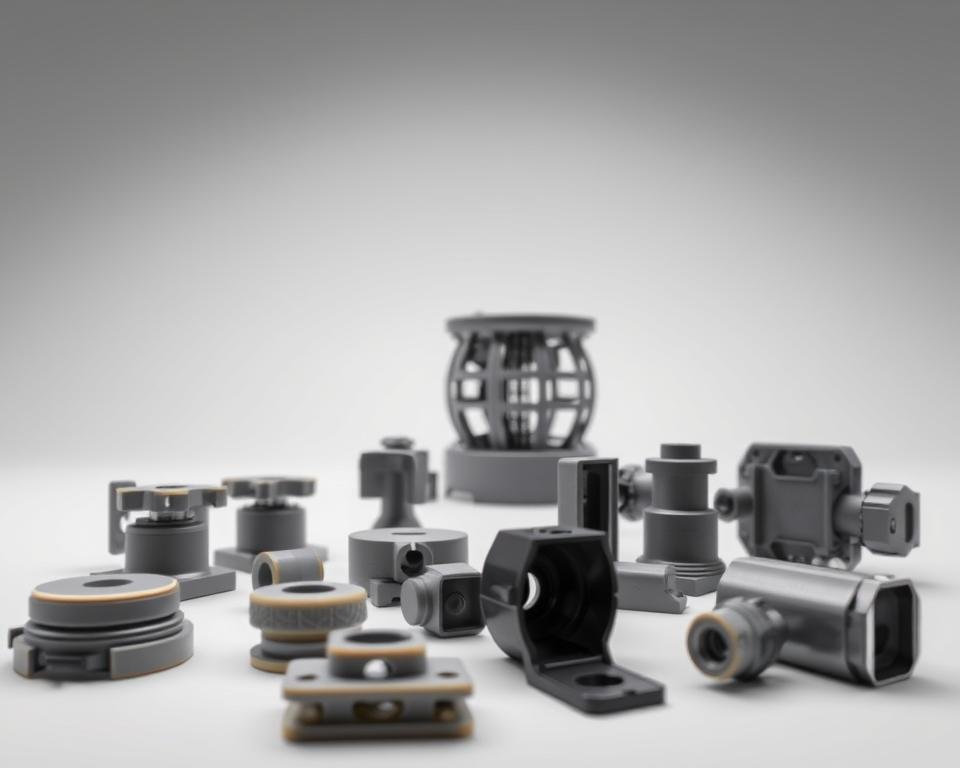
Boom-to-mast plates and connectors are also critical to securing the antenna’s boom to the mast. 3D printing these connectors and plates improves the durability and weather resistance of the connectors, thus lowering the frequency of replacements.
| Components | Benefit of 3D Printing |
|---|---|
| Mounting Brackets | Customized fit, improved stability |
| Element Holders and Insulators | Optimal insulation, enhanced performance |
| Boom-to-Mast Plates and Connectors | Improved durability, weather resistance |
Conclusion
3D printed replacement parts for your 3d printed avanti sigma 4 antenna parts are cost effective, and offer a high degree of customization and durability. 3D printing can breathe new life into antenna systems, and allows users to avoid the expense of an entirely new system.
3D printed replacement parts for the 3d printed avanti sigma 4 antenna parts allow users to efficiently maintain and upgrade their antenna systems. Doing so alleviates the production of electronic waste, and allows users to enhance the performance of their antennas in far greater proportion than before.
There are myriad uses of 3D technology across a number of industries and this will only increase with innovations in wireless technology. 3D technology is providing transformative benefits in the antennal system industry. Users will be able to employ the most advanced performance design technologies available in the market. Customers will be able to streamline performance refinement and integration in their 3D printed antennal systems.
FAQ
What is the 3d printed avanti sigma 4 antenna parts used for?
The 3d printed avanti sigma 4 antenna parts is for high-frequency communications and is reliable and strong in connectivity.
How will the Avanti Sigma 4 antenna system benefit from 3D printing?
3D printing will benefit Avanti Sigma 4 antenna system in custom durability and cost effectiveness in replacing system parts in a way that enhances performance.
What are the benefits of using 3D printed mounting brackets for the 3d printed avanti sigma 4 antenna parts?
3D printed mounting brackets benefit customers as they are more compatible with the system, are stronger and enhance system of the system, and they allow modification of size, and construction with particular materials to meet specific sid a customers.
Can 3D printed parts withstand various weather conditions?
Yes, 3D printed parts can be made to withstand conditions and be weather resistant, withstanding elements like rain, and snow and in extreme weather and temperatures.
In what ways do 3D printed element holders and insulators affect the performance of the 3d printed avanti sigma 4 antenna parts?
3D printed holders and insulators enhance the performance of the antenna by ensuring exact proximity which reduces signal loss, and increases the durability of the antenna.
Are the 3D printed boom-to-mast plates and connectors made for the 3d printed avanti sigma 4 antenna parts?
Absolutely, 3D printed boom-to-mast plates and connectors are designed for the 3d printed avanti sigma 4 antenna parts’ purpose which adds durability and improved fitment.
In what ways is the use of 3D printed parts more cost-effective than the original components?
3D printed components cut costs compared to original parts because they allow the reduction of costly production processes and save on excess materials.
Is it possible to use 3D printing to produce parts tailored to an individual’s preferences for the 3d printed avanti sigma 4 antenna parts?
Certainly, the use of 3D printing technology enables the production of parts for the Avanti Sigma 4 antenna made to fit specific customer preferences and demands.
