
Is Titanium Magnetic? Exploring the Science Behind This Metal
Introduction to Titanium
When you think of metals, a few characteristics might come to mind: strength, durability, and sometimes even magnetism. Among these metallic wonders is titanium—a powerhouse known for its impressive properties. But what about its magnetic qualities? Is titanium magnetic or not? This question has sparked curiosity among engineers, scientists, and everyday enthusiasts alike. Dive into the fascinating world of titanium as we unveil the truth behind this remarkable metal’s relationship with magnetism. Prepare to explore myths, delve into science, Is Titanium Magnetic and discover why titanium stands out in both industrial applications and nature itself!
The Myth of Magnetic Titanium
Many people believe titanium is magnetic, but this notion is rooted in confusion. The metal’s sleek and strong appearance can easily mislead individuals into thinking it possesses magnetic properties.
This misconception often arises from the similarities between titanium and other metals. For instance, some might confuse Is Titanium Magnetic with iron or cobalt, which are indeed magnetic.
Social media and various online forums further blur the lines of understanding. Pictures of titanium products being tested against magnets can lead to false assumptions about its behavior around magnetism.
When examining titanium’s properties closely, Is Titanium Magnetic becomes clear that its atomic structure plays a crucial role in dispelling these myths. Unlike ferromagnetic materials, titanium does not have unpaired electrons that would allow for magnetic attraction.
Read also more : – 8563833520 valentina figueroa
The Science: Why Titanium is Not Magnetic
Titanium is classified as a paramagnetic material. This means it has some response to magnetic fields, but Is Titanium Magnetic incredibly weak. When exposed, titanium doesn’t hold any magnetism.
The atomic structure of titanium plays a crucial role in its non-magnetic nature. It has fewer unpaired electrons compared to ferromagnetic metals like iron and nickel. These unpaired electrons are essential for creating strong magnetic fields.
Additionally, the arrangement of atoms in titanium does not support permanent magnetism. Instead, Is Titanium Magnetic align slightly when under an external force but revert once removed.
This unique combination of electron configuration and atomic structure explains why titanium remains largely unaffected by magnets in everyday applications.
History of the Magnetism Belief
The belief that metals could possess Is Titanium Magnetic properties has intrigued humanity for centuries. Ancient civilizations in Greece and China explored natural magnets, known as lodestones, which attracted iron objects. This phenomenon sparked curiosity about the nature of these materials.
During the Middle Ages, alchemists began to study magnetism more closely. They associated mystical powers with various substances, including metals like gold and silver. Titanium was not yet discovered at this time but laid dormant in the earth’s crust.
As science progressed, thinkers like William Gilbert studied magnetism systematically in the 16th century. His work debunked many myths surrounding magnetized materials and shifted focus toward empirical evidence rather than superstition.
Titanium emerged later in history—discovered only in 1791 by William Gregor—but misconceptions persisted about its magnetic properties due to its shiny appearance and metallic allure. The journey of understanding titanium’s true nature is intertwined with a rich tapestry of human intrigue over metal’s mystique.
Applications of Non-Magnetic Titanium
Non-magnetic titanium is a versatile metal with numerous applications across various industries. Is Titanium Magnetic lightweight and high strength make it ideal for aerospace components, where reducing weight is critical without compromising safety.
In the medical field, titanium’s biocompatibility allows it to be used in implants and surgical instruments. Surgeons prefer non-magnetic materials during MRI procedures to eliminate interference.
The marine sector also benefits from titanium’s resistance to corrosion. Is Titanium Magnetic extensively used in shipbuilding and underwater equipment, ensuring longevity even in harsh environments.
Additionally, electronics manufacturers favor non-magnetic titanium for housing sensitive devices. This choice enhances performance while avoiding magnetic interference that could disrupt functionality.
Beyond these sectors, artists use this unique material in jewelry design for its aesthetic appeal combined with durability. Non-magnetic titanium truly shines across diverse domains due to its remarkable properties.
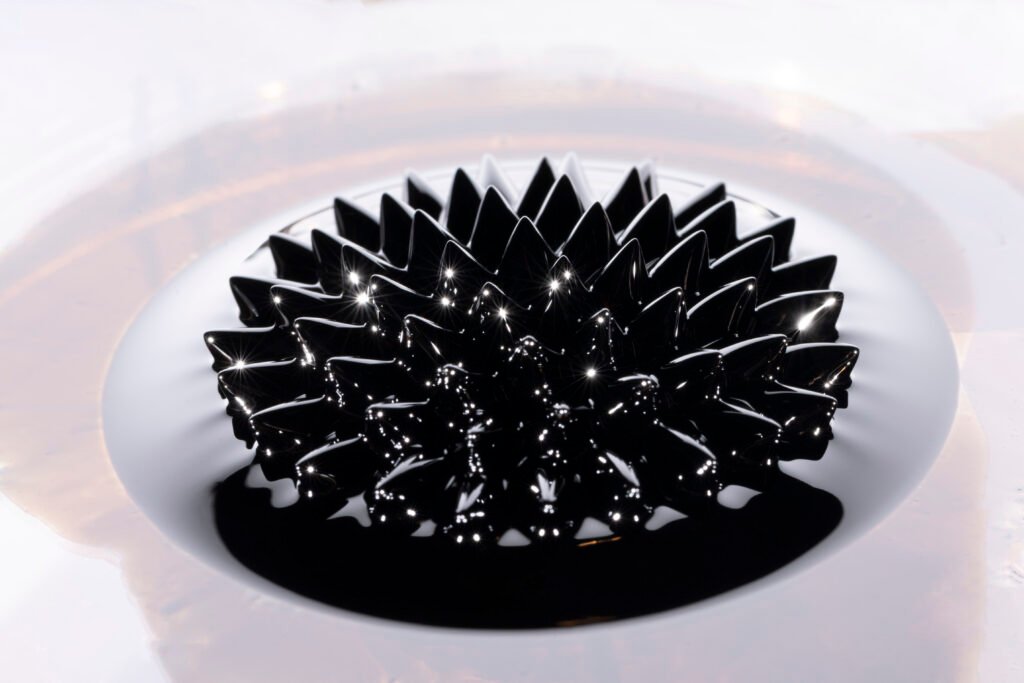
Alternative Magnetic Metals
When exploring magnetic metals, several alternatives stand out. Iron is perhaps the most well-known. Its ferromagnetic properties make it a staple in various applications, from construction to electronics.
Nickel also holds significant magnetic capabilities. Often combined with other elements, Is Titanium Magnetic enhances magnetism in alloys and has uses in batteries and electronic devices.
Cobalt is another contender worth mentioning. This metal exhibits strong magnetic characteristics and plays a crucial role in high-strength magnets used in industrial machinery.
Rare earth metals like neodymium take magnetism to new heights. They are integral components of powerful permanent magnets found in everything from motors to speakers.
Each of these metals brings unique advantages that cater to specific needs across industries, showcasing the diverse world of magnetic materials beyond titanium’s non-magnetism.
Conclusion: Understanding the Truth about Titanium’s Magnetism
Understanding the magnetism of titanium reveals fascinating insights. Is Titanium Magnetic metal, known for its strength and lightweight properties, does not possess magnetic qualities.
The science is clear: titanium is classified as paramagnetic. It exhibits minimal interaction with magnets under standard conditions. Many still hold misconceptions about its magnetic nature, often due to confusion with other metals.
Exploring this topic opens doors to deeper discussions about material properties and their applications. Non-magnetic titanium has carved out significant roles in industries like aerospace and medical devices.
As we continue to innovate with materials, knowing the characteristics of each metal helps us make informed choices in technology and design. The allure of titanium lies not just in what it can do but also in understanding what it cannot do—like being magnetic.
FAQ
Is Titanium Magnetic?
No, titanium is not magnetic. This metal does not exhibit any significant magnetic properties under normal conditions.
What Makes Some Metals Magnetic?
Magnetic properties arise from the arrangement of electrons in a material. Metals like iron have unpaired electrons that align with external magnetic fields, making them magnetic. Titanium’s electron configuration lacks this property.
Can Titanium Be Made Magnetic?
While titanium itself is non-magnetic, it can be alloyed with other metals to create materials that may exhibit some level of magnetism. However, pure titanium remains non-magnetic even when subjected to strong magnetic fields.
Why Do People Think Titanium Is Magnetic?
Many people mistakenly believe titanium is magnetic due to its strength and industrial applications where magnets are often involved. The misconception persists in various contexts but doesn’t hold up scientifically.
What Are the Uses of Non-Magnetic Titanium?
Titanium’s corrosion resistance and biocompatibility make it invaluable in medical implants, aerospace components, and chemical processing equipment—all areas where non-magnetism is an advantage.
Are There Any Practical Applications Where Magnetism Matters for Titanium Users?
Certainly! In industries requiring precision instruments or sensitive electronic devices, using non-magnetic materials like titanium prevents interference from stray magnetic fields during operation.
Does Pure Titanium Attract Magnets at All?
No, pure titanium will not attract magnets regardless of their strength or type since its inherent characteristics do not allow for such interactions.
Understanding these nuances about titanium helps clarify why it’s celebrated for certain attributes while dispelling common myths surrounding its properties.
