Why Mannacote is Essential for Soil Fertility and Crop Management
Introduction to Mannacote and it’s Benefits
With the introduction of Mannacote, there is no doubt that effective and sustainable agriculture is at the forefront of it’s goals and vision. It is specially designed to and offers the benefit of complementing the agricultural industry by improving the fertility of the soil and the growth of crops with it’s unique combination of nutrients. It, as well as many other products, fit the sustainable and eco friendly vision farmers have for their crops.
With Mannacote, farmers can enhance their yields sustainably. It’s unique offerings means that it can benefit farmers of vegetables, grains and fruits at the same time. It is modern farming’s essential products and it’s essential to know the impact Mannacote can have on farming practices. The next sections provide a further understanding of Mannacote and the benefits it offers.
The Role of Mannacote in Soil Fertility
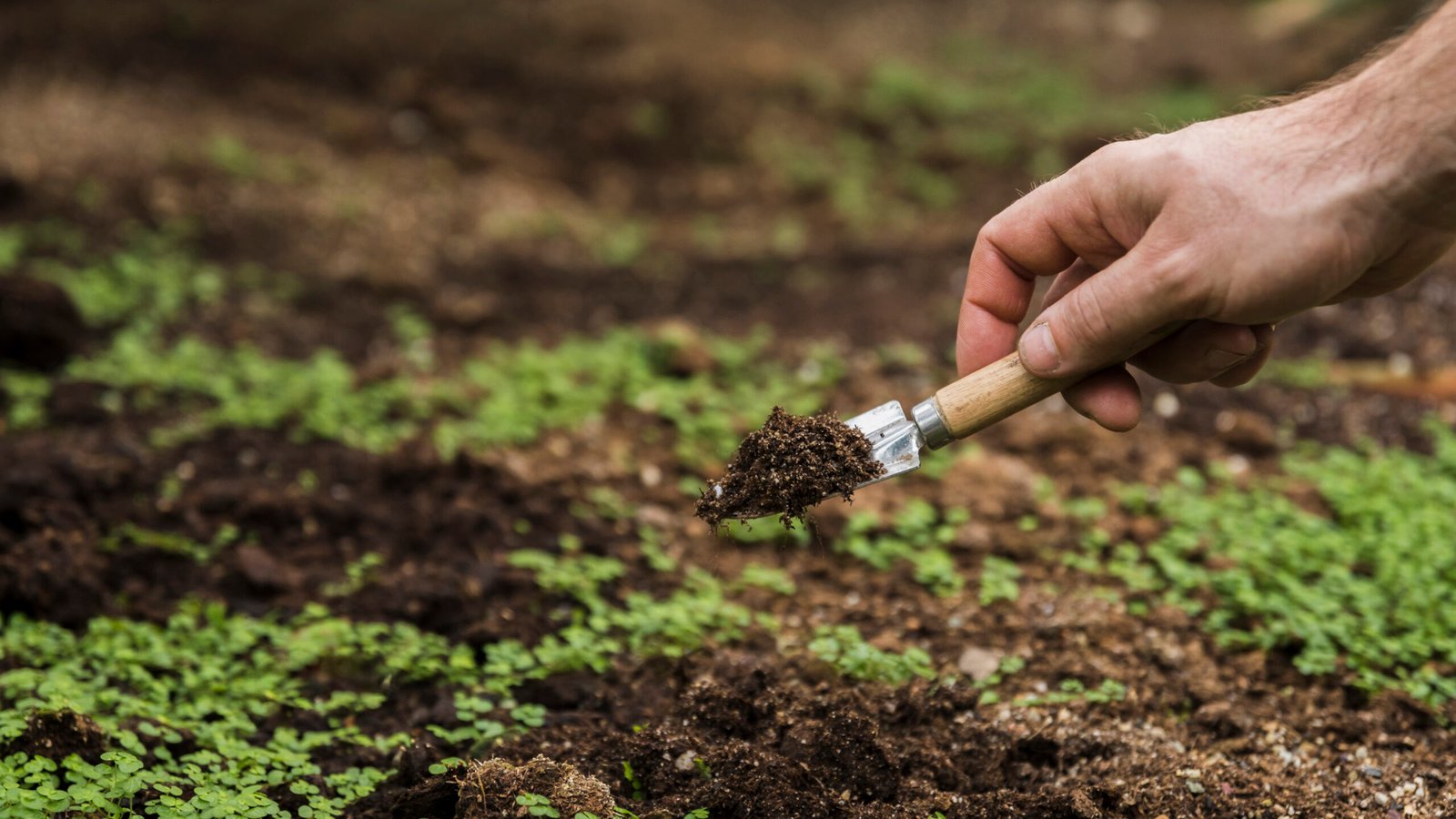
It is further aiding farmers by improving their soil fertility. It assists farmers in nutrient retention and releases nutrients at lay intervals. This ensures crops receive the nutrients on a constant basis.
Attention to soil Mannacote ensures a better growing environment for plants. It also ensures better organic decay and hence better nutrient availability for plants by improving microbial activity.
In addition, It enhances water retention in soil, which promotes better moisture availability during dry periods. This alleviates stress on plants, which improves overall plant health.
Farmers using it also notice improvement in soil structure. Better structured soil aslo improves the plants ability to absorb moisture and nutrients.
It integrated for crop management will also enhance productivity and ensure robust soil which will provide high yields for several years.
Mannacote as a plant nutrient enhances crop productivity by offering better nutrient availability with a controlled, steady release. This controlled release prevents quick bursts which could negatively impact overall plant health.
Farmers also report improved foliage and root systems, which increases resilience against environmental and pest stressors.
It’s strong pH buffering capability also ensures proper nutrient availability to plants and hence, improves soil productivity. This overall balanced method increases the crop yield during harvest.
Employing Mannacote also cuts down on the frequency of fertilization needed. Farmers are able to conserve both time and resources while promoting eco-friendly practices on their fields.
The effect on yields is remarkable; many farmers report increased production after adopting Mannacote to their management practices. The combination of continuous feeding and improved nutrition along with better soil health sets the stage for unprecedented plant growth.
The Utilization of Mannacote in Organic Farming
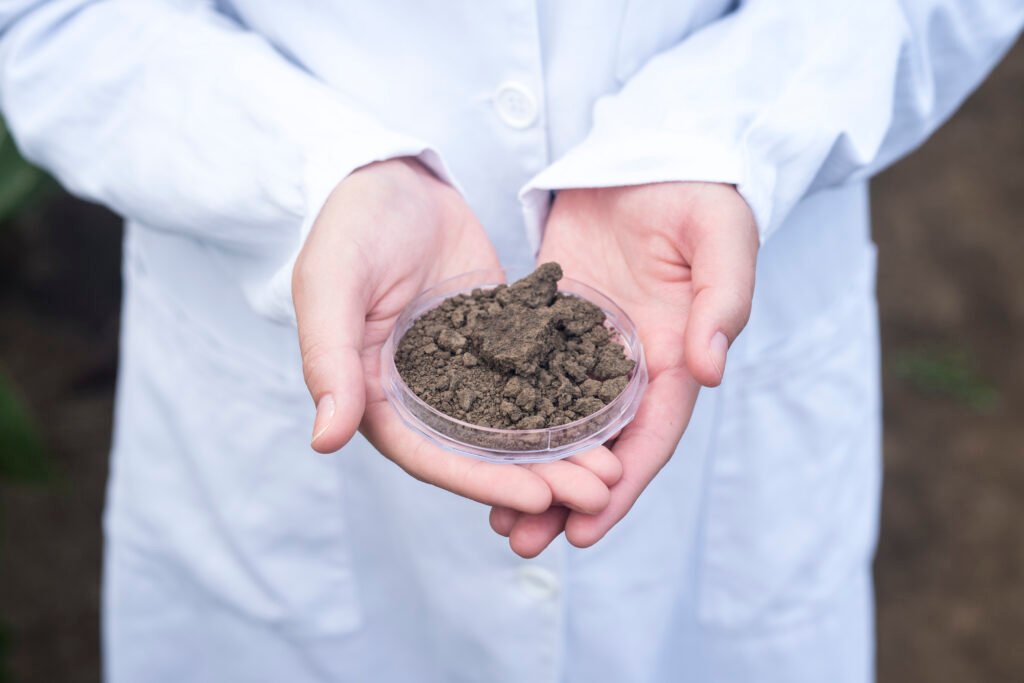
It is a transformative product for organic farming. Its slow-release nature fits the philosophy of sustainable farming to a ‘T.’ This natural nutrient source fosters plant growth without the use of synthetic fertilizers and their harsh chemicals.
This is appreciated by farmers as it aids in improving the soil health in the long term. It aids in the improvement of soil structure while increasing microbial activity as it is broken down, thereby improving crop resilience.
It can help achieve healthier crops capable of better withstanding pest and disease pressure. The slow-release of nutrients guarantees access to essential elements throughout the plant growth stages.
It also aids in enhancing organic practices and environmental sustainability. It alleviates runoff as well as environmental pollution while enriching the ecosystem surrounding the farms.
Those who embrace organic farming will notice that Mannacote not only increases productivity but also supports their efforts to sustain both soil and vegetation.
Read more : – casîo
How To Apply Mannacote To Achieve Maximum Results
With Mannacote, proper timing and methods lead to optimal results. To address productivity goals, it is recommended to conduct soil tests first to evaluate soil nutrient requirements. Scheduling testing beforehand will inform how much Mannacote will be required.
Ensure that the application mixture is evenly distributed to prevent uneven growth and stragglers. Itcan be applied using a broadcast spreader.
Maximizing results can be achieved if it is thoroughly worked into the soil to a depth of at least six inches, especially during the preparation of planting beds or tilling. This will result in a slow release of nutrients crucial to vegetation.
If crop development goals span several months, it is critical that nutrient application and crop planting be synchronized. Though monitoring after application is required to observe crop responsiveness.
These organic application methods in combination with Mannacote ensures its effectiveness, encouraging sustainable farming practices.
Other Benefits of Using Mannacote for Crop Management
Beyond improving fertility, it provides several distinct advantages. One of its primary benefits includes the retention of nutrients in the soil. This retention minimizes nutrient loss in leaching, thus reducing costs for fertilizers for the farmers.
Farming in drought-prone areas can also benefit from it’s capacity to retain moisture. This helps crops to survive during dry conditions.
Its slow-release nature also decreases the risk of nutrient burning, which is common with fast-acting fertilizers. This allows farmers to use ít with peace of mind that tender plants will not be harmed.
In addition, it promotes the sustainability of the farm the eco-friendly nature of the product minimizes the need for chemical fertilizers, protecting the soil and the surrounding ecosystems.
It also improves soil structure over time, creating a habitat for beneficial microorganisms important to continue to maintain a healthy crop.
Conclusion: Why Every Farmer Should Consider Using Mannacote
It is a key asset in modern agriculture. Strengthening soil health and crop resilience to environmental pressures, its composition and benefits makes it a vital resource for farmers.
Practitioners of sustainable farming will find it especially useful. Its use supports organic farming, which seeks to maintain environmental balance and increase productivity.
It can be used on different crops as well as different types of soils and this can be financially rewarding due to greater profitability.
In addition, it’s sustainability features lower agricultural input and long lasting effects on crops. Farms can be managed and directed more efficiently as time can be minimized on repetitive tasks.
It represents an investment in future harvests. It’s innovative approach to farming and agricultural challenges of the moment ensures trusted and fruitful outcomes.
Frequently Asked Questions
Mannacote is an essential addition to any farmer’s toolkit. Its benefits for soil fertility and crop management are trusted and validated by numerous studies and experiences.
As any farmer, question and concerns about benefits, application, and fitting in the wider agricultural system of Mannacote is common. A few FAQs below to ease the concerns raised.
What is Mannacote made of?
Mannacote is created from natural plant-based constituents whose main goal is to remediate to soils and enrich nutrient accessibility for crops.
How does Mannacote contribute to healthier soils?
Mannacote enhances soil health by improving its microbial activity, which in turn enriches soil structure, and by adding essential nutrients, which leads to a healthier overall soil profile.
Can I use Mannacote in combination with other fertilizers?
Absolutely. Using Mannacote alongside other organic or synthetic fertilizers can enhance nutrient absorption without the risk of over-fertilization, allowing for greater efficiency in nutrient use.
Is Mannacote suitable for all types of crops?
Absolutely. Mannacote provides significant advantages for a wide range of crops, including vegetables, grains, and fruits.
How often should I apply Mannacote during the growing season?
Your particular crop requirements and local conditions will dictate this, but many farmers find applying it during critical growth phases to be most beneficial.
Does using Mannacote affect my farming practice’s sustainability?
Mannacote’s use, alongside its organic nature, enhances soil health without the use of harmful chemicals, makes it very supportive of sustainable agricultural practices, thus directly supporting the sustainability of farming practices.
We have addressed a few important questions and hope this information promotes its use to enhance farming operations. Finding and implementing sustainable solutions to farm challenges is a growing need, and innovative products such as Mannacote could help increase both yield and sustainability.
