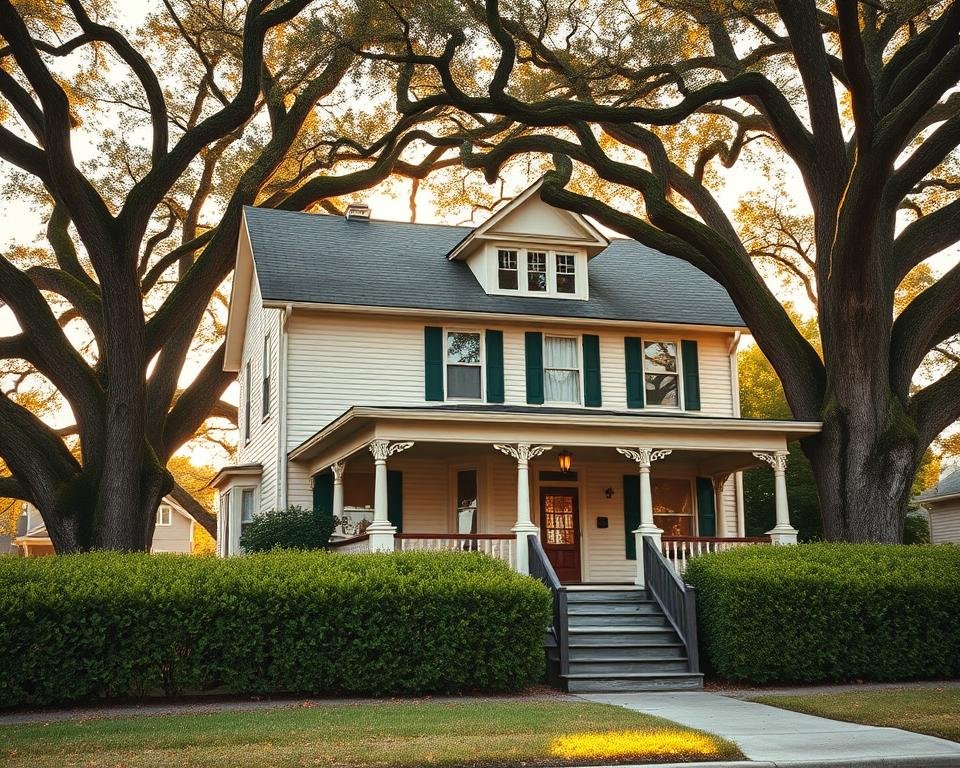
The Charm and Architectural Vintage Homes in 1940s
What is it about vintage homes of the 1940s that has a lasting charm? Is it their architectural style or the history that homes represent? For America, the Homes in 1940s became the foundation years of development which was shaped by the post-war housing boom and the G.I. Bill.
As history marched on, the 1940s became the building block of architectural styles like Minimal Traditional and Ranch homes that continue to be loved by homebuyers and architects today.
Key Takeaways
The housing boom of the 1940s laid the foundation of new architectural designs.
Homes of this vintage era exemplified remarkable classic designs.
Residential development was significantly influenced by the G.I. Bill.
Minimal Traditional and Ranch styles continue to be in vogue.
The historical significance of homes in 1940s homes explains their timeless charm.
The Context of American homes in 1940s
The 1940s to this date is a defining decade in the history of American homes. It was the first decade marked with social, economic and also political changes which subsequently shaped the housing sector.
Read More : – contemporary stone homes
Post-War Housing Boom and the G.I. Bill
The conclusion of the Second World War initiated a housing boom, and the G.I. Bill, which offered veterans low-cost mortgages among other benefits, contributed to this boom. The legislation allowed a great number of Americans to buy homes, greatly increasing the demand for new housing stock. Consequently, the building industry began to change its focus to the efficient and economical mass production of homes.
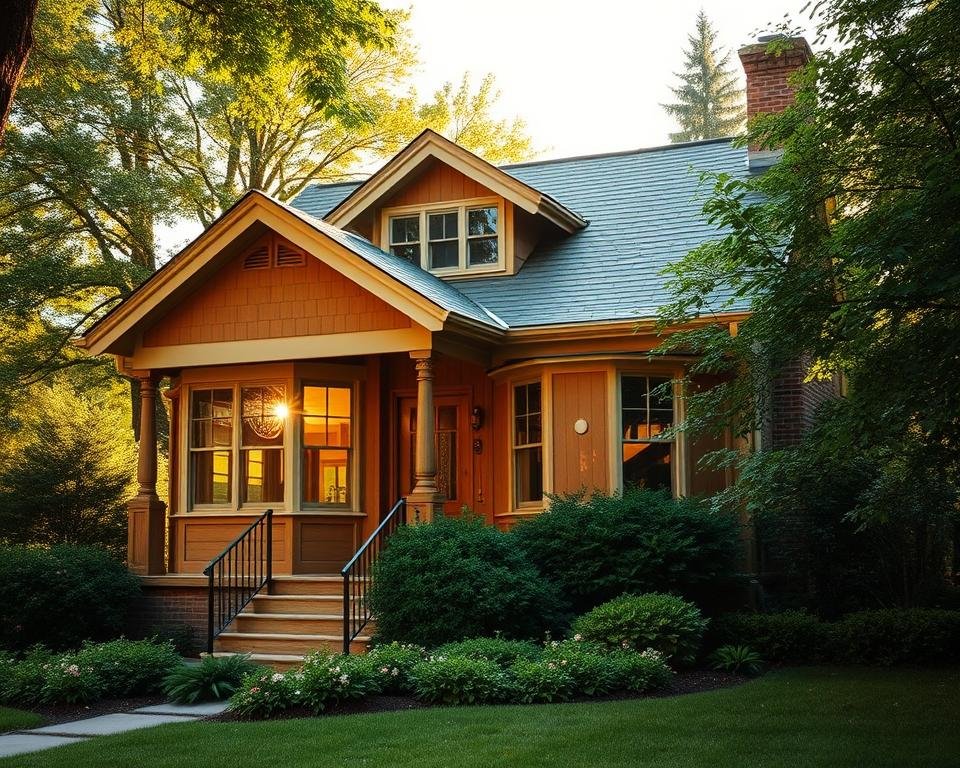
Understanding the Impact of Economic and Social Factors on Residential Development
During the 1940s, the movement of people, as well as changes in housing policies, were partly a result of the changes occurring on the economic and social front. With the expansion of the middle class, the demand for suburban housing and the formation of new neighborhoods drove residential construction. The table below summarizes the most notable social and economic influences on homes in 1940s.
Economic Prosperity
Increased demand for housing as incomes and job security rise.
Suburbanization
Creation of new neighborhoods and communities on the fringes of metropolitan areas.
G.I. Bill Benefits
Educational and housing benefits for veterans, including inexpensive mortgages, facilitated home ownership.
Distinctive Styles of Homes in 1940s America
The 1940s in the U.S. was a remarkable decade for the diversification of home styles designed and constructed. The variety of building types and architectural forms was a testimony to the socio-economic and cultural changes of the time.
Minimal Traditions Style
Minimal traditions styles appeared due to economic factors of the time. Their simplicity and functionality was expressed through clean lines eliminating ornamentation focusing on practicality. The style gained popularity due to the simplicity of construction and affordability.
Ranch and California Rambler Homes
Ranch and California Rambler homes sustained the quality of life that was acquired during the post-war era. The horizontal silhouette and layout of the home created and sustained informal relaxation along with the large windows and sliding glass doors that connected the indoor and outdoor spaces. The casual lifestyle and relaxation encouraged by the home architecture sustained it among the Americans.
Cape Cod and Colonial Revival
Cape Cod and Colonial Revivals styles were rooted in American architectural traditions with a focus on proportion and detailed aesthetics. Cape Cod homes simplicity showed in their rectangular box shape with a centered door. Colonial Revival homes were more embellished with classical columns. Both styles created a feeling of nostalgia.
Signature Design Elements and Construction Features
Within the context of the post-war housing boom and the socioeconomic needs of the 1940s, American houses prioritized efficiency and minimalist ornamentation. The demand for inexpensive housing, and the socio-economic and societal conditions of the era, greatly impacted design philosophies of the 1940s.
Exterior Characteristics
The façades of 1940s homes exhibited straightforward, minimalist designs, which underscored the importance of function over form, and practicality over ornamentation. Notable external features included:
Rooflines, Porches, and Facades
The roofs were gabled or flat, and porches were slight, often serving as informal connectors between inner and outer spaces. The design of the façade also was plain, emphasizing clean lines while adopting minimalist embellishment.
Building Materials and Color Palettes
Wood, brick, and stucco were all typical vintage materials. The materials used for the color palettes were available during the era, giving color palettes a subdued look.
| Common Use | Material | Aesthetic Contribution |
|---|---|---|
| Siding, trim | Wood | Warm, natural look |
| Facades, chimneys | Brick | Durable, classic appearance |
| Exterior finish | Stucco | Smooth, versatile finish |
Interior Layouts and Functionality
The design of 1940s homes also included considerations for the interiors, where spaces were compactly arranged to maximize efficiency and the use of available space.
Compact Floor Plans and Geometric Organization
Rooms were arranged for optimized functionality while being practical. Cozy and efficient were the living areas, kitchens, and bedrooms.
Innovative Storage Solutions and Built-in Furniture
Built-in furniture and innovative storage solutions were utilized to preserve unobstructed spaces and improve functionality within the home.
Finishes and Decorative Features
In spite of the emphasis on minimalism, homes of the 1940s displayed a plethora of decorative features which provided personality and warmth to the structures.
Architectural Features and Trim Work
Architectural features and trim work, including moldings and door surrounds, served to enhance sophistication and visual appeal.
Wall Treatments, Fixtures, and Flooring of the Era
Hardwood and linoleum were common, along with era specific fixtures while wall treatments included a balanced use of bold patterns and colors. Floors were laminate held to the design standards.
Enduring Appeal and Legacy of 1940s Homes
1940s homes and 1940s architecture still remain spellbinding, proving the era’s creativity and ingenuity of its architects, builders, and homeowners.
Vintage homes will always be celebrated for their simplicity, functionality, and proportions, which, every so often, will be refashioned and replicated. While modern homes will continue to be designed with the 1940s home styles as the reference, the 1940s home designs will continue to influence modern homes for years to come.
Nostalgia should also be reserved for the homes built during the 1940s for their beautifully functional and purposeful design. Such designs will continue to be built and inspire homeowners and builders. Therefore, ensure the 1940s homes will continue to be incorporated into our built surroundings for years to come.
FAQ
What are the defining characteristics of homes in 1940s?
Homes in 1940s are recognized for their functionality, simplicity, and classic proportions. This was the era of the ‘Minimal Traditional’ and the Ranch and Cape Cod homes where design emphasis was on the practicality and affordability of the shelter.
What influence did the post-war housing boom have on 1940s homebuilding?
The post-war housing boom, which was made possible through the G.I benefits for veterans, low priced mortgages, and other benefits generated an affordable mass housing supply. This supply was designed to meet the demand of burgeoning homes in 1940s.
What is Minimal Traditional style and why did it develop in the 1940s?
Minimal Traditional style is characterized by simple and functional forms, and it developed in the 1940s due to the demand for affordable and practical housing, which included simple rooflines, modest porches, and unembellished facades.
What are the exterior features of homes in 1940s?
General features of homes in 1940s included basic rooflines, simple porches, and unembellished facades, emphasizing practicality and functionality with the use of construction materials such as wood, brick, and stucco.
What impact did the G.I. Bill have on homes in 1940s?
The G.I. Bill substantially affected homes in 1940s, as it was the first legislation to offer veterans low-interest mortgages alongside other benefits, which increased demand for affordable housing and shifted the home construction industry to produce mass housing in more affordable price ranges.
What are the features of the interior of homes in 1940s?
The general features of the interior of homes in 1940s include compact floor plans. the emphasis was on efficient use of space which included innovative storage, characteristic trim, flooring, and wall coverings of the period, as well as fixtures and wall treatments.
Are homes built in the 1940s still desirable today?
Absolutely; homes in 1940s continue to be desirable today. Their charm, proportion, and civil legacy contribute to a homeowner’s appreciation of simplicity, utility, and character.
